Excavated soil in Flanders: prepare for the new Technisch Verslag and the Grondverzet database

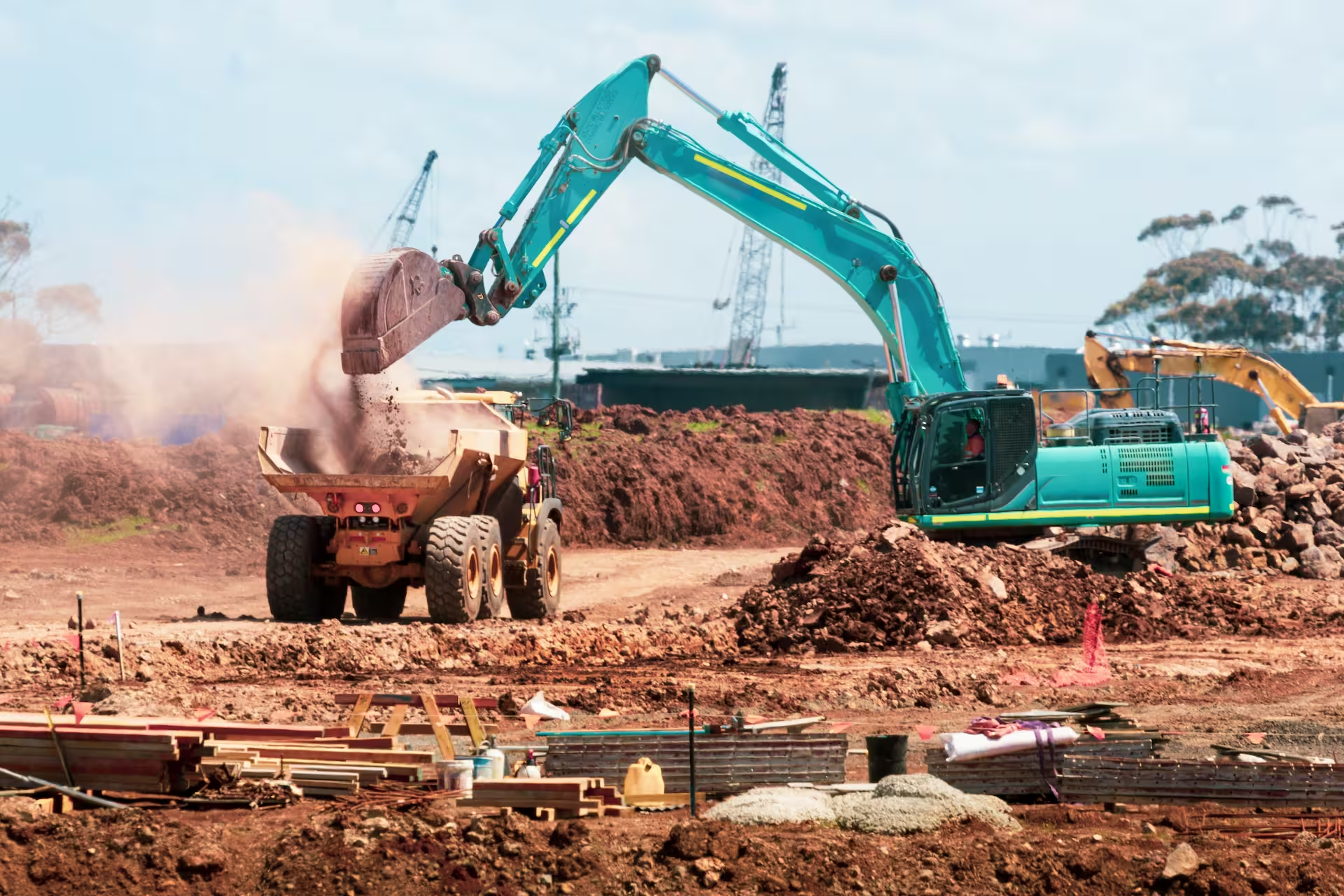
Starting in October 2026, Flanders will provide a new Grondverzet database for submitting data related to soil movement. At the same time, OVAM is announcing a new structure for the Technisch Verslag, the technical report used within the Flemish excavated soil framework. For project managers, the challenge is very practical: adapting report templates, appendices, and quality control before the expected full rollout on December 1, 2026.
An evolution focused on Flemish files
OVAM expects that from October 2026, structured soil movement data can be submitted by certified soil remediation experts via the OVAM API and/or the Bodem online portal. A two-month transition period has been announced. From December 1, 2026, OVAM expects all soil movement data to be submitted through the new database.
The change is not limited to a new input screen. It affects how deliverables for a Flemish project are prepared, structured, and verified. A project in the study, excavation, or tender preparation phase may be affected if a Technisch Verslag needs to be created or updated.
What is changing in the Technisch Verslag
In the upcoming standard procedure, the Technisch Verslag will be divided into several report categories: administrative data, the report, the zoning plan, the measurement table, appendices, and administrative appendices. The zoning plan and the measurement table are specific to this technical report.
OVAM also indicates that the signature table and the mention of individuals who contributed to the report will be moved to the administrative data PDF. Appendices that may contain personal data will be grouped into a separate administrative appendices PDF. This organization is intended, among other things, to separate administrative and technical information.
For project teams, this means reviewing document templates, file naming conventions, validation workflows, and pre-submission checks. The technical content remains the same; it is the structure for submission and filing that is evolving.
Deadlines to include in your schedule
Three milestones help plan the transition. First, the Grondverzet database is scheduled to be available starting in October 2026. Second, the period from October to December 1, 2026, should be used to test the new organization and ensure the necessary access is in place. Third, OVAM prefers that the new structure be applied to new Technische Verslagen immediately and that existing templates be adapted.
This proactive approach is particularly useful when a file involves multiple stakeholders: the client, the certified expert, the excavation company, the project coordinator, and the document manager. An unadapted template can lead to formatting rework when data needs to be entered, without actually changing the technical conclusions of the report.
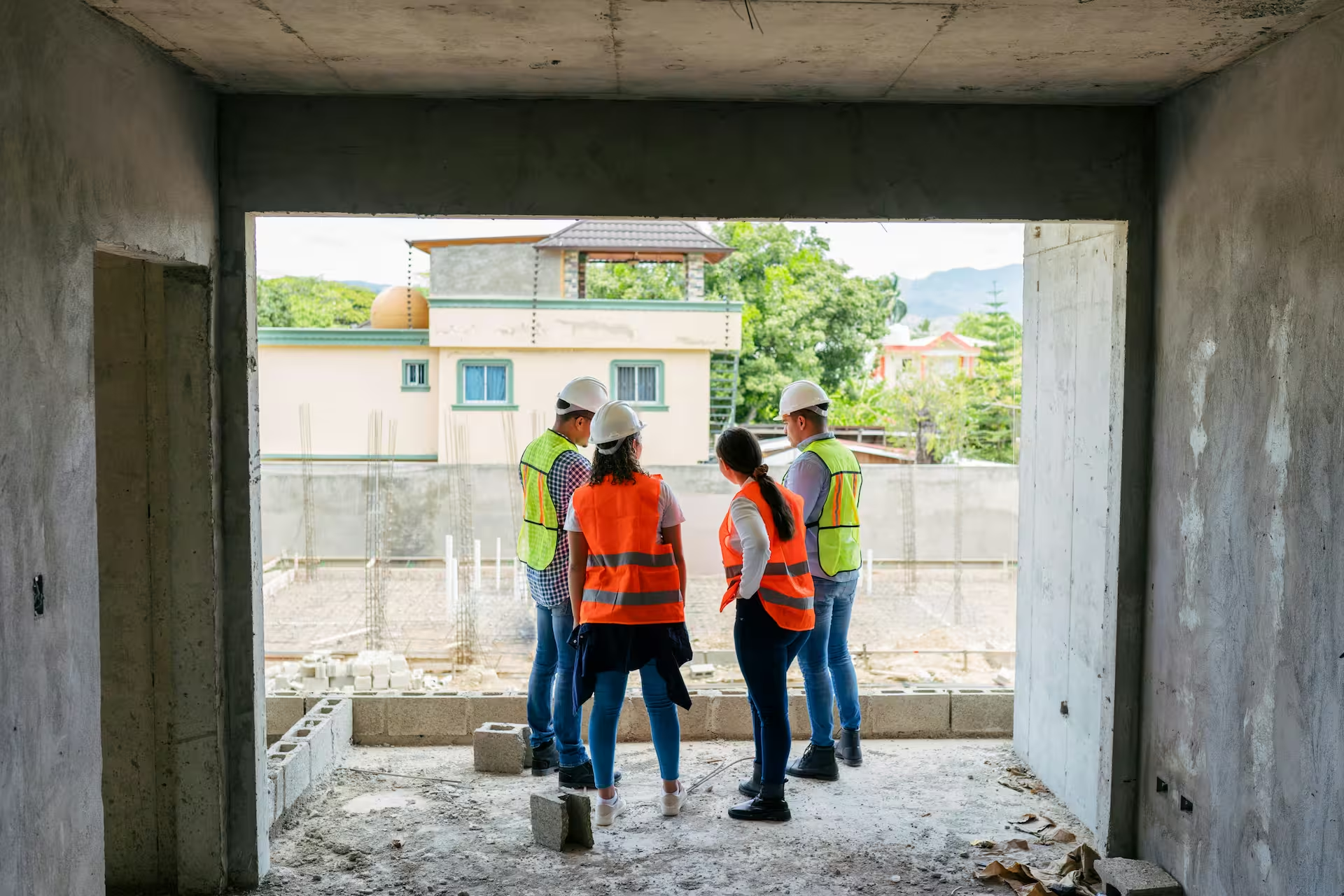
Three reflexes to secure a Flemish project
The first reflex is to verify the scope of the file. According to OVAM, a Technisch Verslag is required when the volume of excavated material exceeds 250 m³, when excavation takes place on suspicious soil, or when a pile of material exceeds 250 m³ in cases provided for by the procedure. The classification of the land and the volume of soil must therefore be examined as soon as the site is designed.
The second reflex is documentary: request a clear map of the data to be submitted, the files to be separated, and the appendices to be checked. This step reduces late corrections and facilitates coordination between stakeholders.
The third reflex is organizational: plan a compatibility review of templates and tools before October 2026, followed by a check of the submission chain during the transition period. The goal is not to produce more documents, but to submit the right information in the right structure.
What this means for you
If your project involves excavated soil in Flanders, the transition to the Grondverzet database must be integrated into your document schedule, just like soil studies, permits, and site preparation. The most exposed projects are those starting near the transition dates, those reusing old templates, or those involving multiple teams on the same file.
ABV Environment can help you define the requirements applicable to your Flemish project, verify the consistency of excavated soil data, and organize deliverables alongside the other environmental components of the file. The starting point remains simple: identify the region, the volume of soil, the status of the land, and the actual project timeline.