Bio-waste in Wallonia: what the new decree changes regarding recycling calculations


In Wallonia, a decree dated September 10, 2026, specifies how to calculate the achievement of preparation for reuse and recycling targets. The key point for companies, local authorities, and waste operators to anticipate concerns municipal bio-waste: starting January 1, 2027, it can only be counted as recycled if it is sorted at the source or collected separately, without being mixed with other waste.
A change primarily affecting proof of recycling
The new Walloon decree does not create a new treatment sector. It establishes the rules for determining which waste can be included in the calculation of the reuse and recycling targets set by the Walloon decree of March 9, 2023, regarding waste, material circularity, and public cleanliness. Specifically, the text clarifies when the weight of recycled waste must be measured and the conditions that must be met for treatment producing compost or digestate to be recognized as recycling.
For a site, the challenge is twofold: organizing streams correctly and being able to document their destination. Describing a stream as "recovered" is not enough on its own. Separation, traceability, and proof of treatment are becoming essential elements of compliance and circularity management.
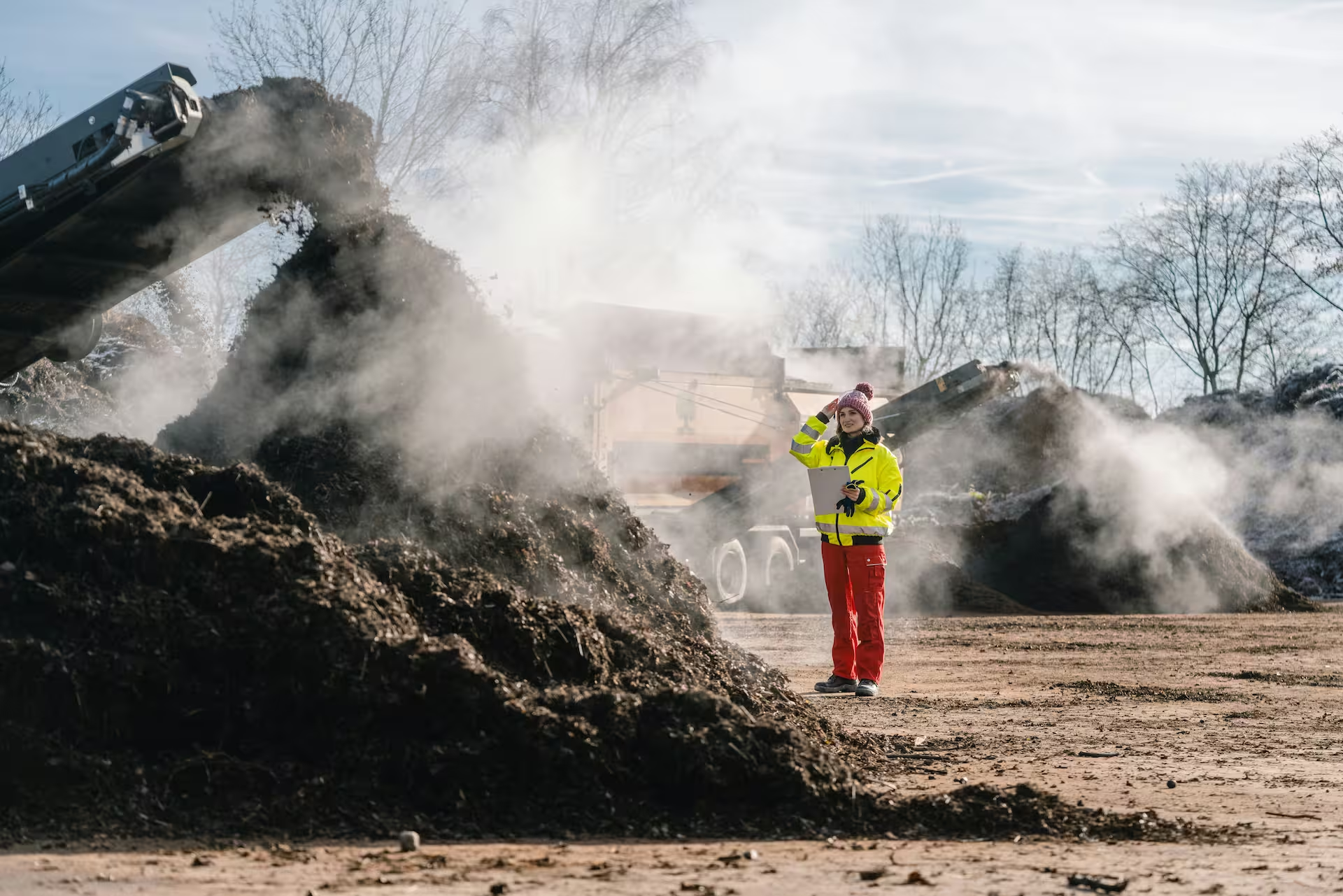
January 1, 2027: Source separation becomes decisive
As of January 1, 2027, municipal bio-waste entering aerobic or anaerobic treatment can only be considered recycled if it has been sorted and recycled at the source, or collected selectively and not mixed with other types of waste. The text targets municipal bio-waste and aligns with European waste regulations transposed in Wallonia.
In practical terms, the organizations concerned must verify the reality of sorting at the point of production, the collection method, the absence of subsequent mixing, and the consistency between the quantities produced, collected, and treated. This verification should be carried out before the next reporting campaign or the revision of a collection contract, rather than at the time of closing annual data.
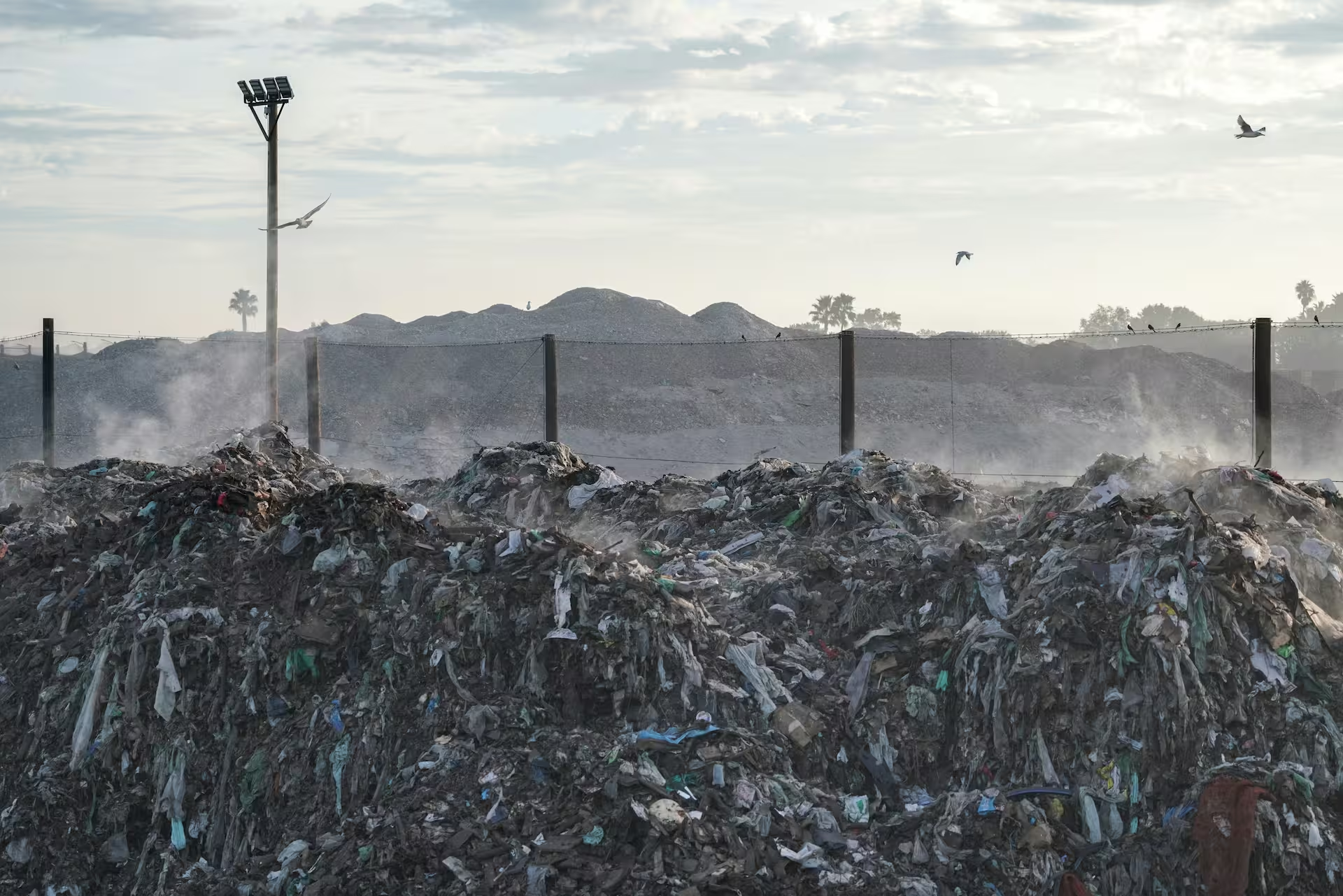
Which sites need to review their organization?
The impact depends on the site's profile and the nature of the waste produced. Institutional catering, the food industry, food retailers, certain public establishments, and sites hosting a large number of workers can generate significant bio-waste streams. The issue may also concern companies that entrust collection and treatment to a service provider without having a complete view of the chain.
The first step is to map production points and the containers used. You must then reconcile this reality with the collection contract, instructions given to staff, weighing documents, and treatment certificates. If multiple streams are grouped together, the site must be able to demonstrate that this grouping remains compatible with the conditions for counting recycling. In case of doubt, validation from the collector or treatment manager is preferable to an undocumented assumption.
Turning a constraint into a lever for circularity
This text also provides an opportunity to overhaul waste management. Better-designed sorting reduces rejects, improves the quality of materials sent for recycling, and facilitates performance monitoring. It can also reveal avoidable losses: discarded food products, incorrectly assigned containers, incorrect instructions, or a lack of measurement for certain streams.
For project developers, this challenge can be integrated from the design phase of a building, an extension, or a new activity. Storage rooms, collection access, washing areas, nuisance prevention, and vehicle circulation are layout choices that determine the quality of daily sorting. In an environmental file, this approach makes it possible to link waste management, site operations, and operational performance.

What this means for you
If your business produces municipal bio-waste or if you manage a collection and treatment contract in Wallonia, check four points now: the organization of source sorting, the effective separation of streams, the available evidence, and the consistency of the data submitted for reporting. January 1, 2027, is a deadline for operational verification, not a reason to wait until the end of the fiscal year.
ABV Environment supports companies, public actors, and project developers in flow analysis, environmental compliance, file preparation, and the integration of circularity issues into operational or layout choices. Is your organization already able to demonstrate the final destination of its bio-waste?